


⚖️ The Short Version — What Actually Changed
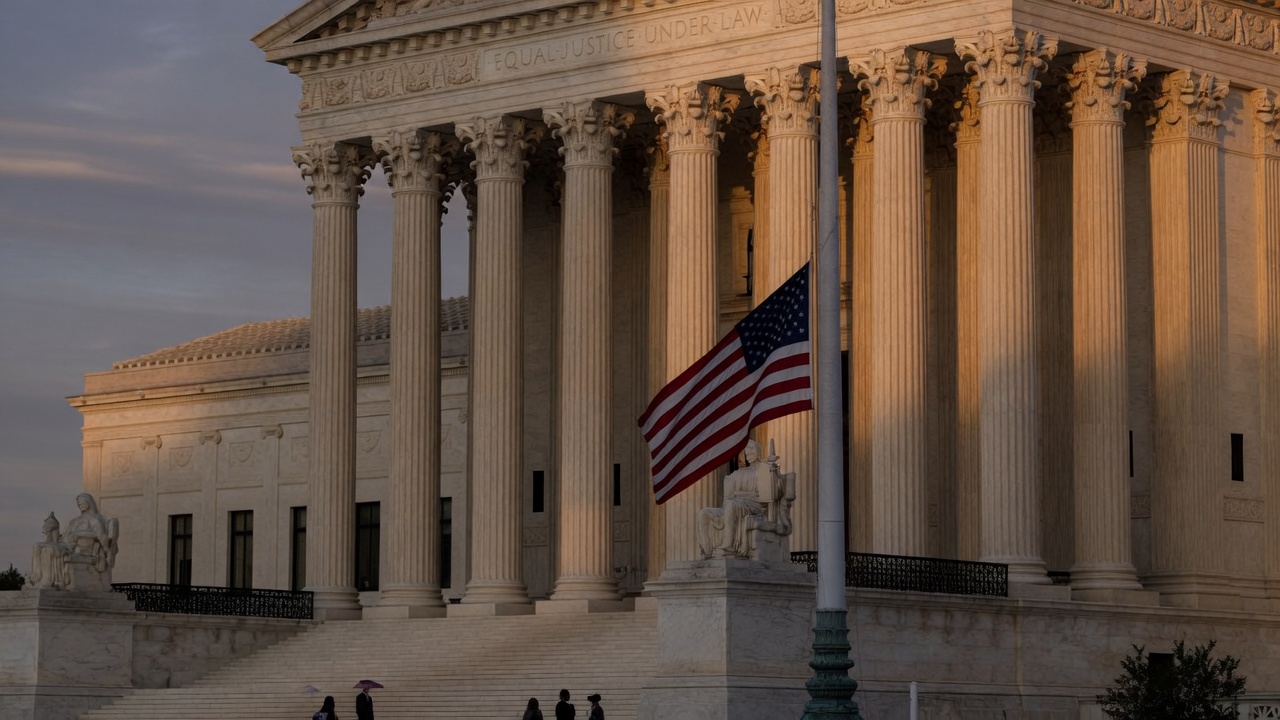
In Trump v. Barbara, the Supreme Court voted 6-3 to keep birthright citizenship intact. The 14th Amendment stands. A child born on U.S. soil is still a U.S. citizen at birth. Here is the part the headlines buried:
- Your U.S.-born child's citizenship is not in question. Nothing about the child changed.
- The Department of Justice has ordered federal prosecutors to prioritize "birth tourism" network investigations — the brokers and agencies that arrange these trips.
- The new risk falls on adults: visitors who obtained a B-2 or entered by hiding that the real purpose of travel was to give birth can face a misrepresentation finding under INA 212(a)(6)(C)(i) — a permanent bar.
- Congress is drafting the SAVE America Act, but a statute cannot override the Constitution, and the Court just reaffirmed it.
- If you have an upcoming visa application, adjustment, or naturalization step and a prior U.S. birth in your history, have an attorney review your file before you file anything.
What the Supreme Court Actually Decided
For more than a year, the question hanging over immigrant families was blunt and frightening: could the government stop treating children born in the United States as citizens? In Trump v. Barbara, decided in June 2026, the Supreme Court answered that question — and the answer was no.
By a 6-3 vote, the Court held that the Citizenship Clause of the Fourteenth Amendment continues to mean what it has meant since 1868. The text is direct: "All persons born or naturalized in the United States, and subject to the jurisdiction thereof, are citizens of the United States and of the State wherein they reside." The Court declined to read the phrase "subject to the jurisdiction thereof" as a hidden trapdoor that would exclude the U.S.-born children of parents who lack lawful status. Children born on American soil — with narrow, long-established exceptions for the children of accredited foreign diplomats and members of a hostile occupying force — are citizens at birth. That principle, rooted in the 1898 decision United States v. Wong Kim Ark, survived intact.
The statutory backbone of birthright citizenship, 8 U.S.C. § 1401(a), was also left standing. That provision restates the constitutional rule: a person "born in the United States, and subject to the jurisdiction thereof" is a national and citizen of the United States at birth. Nothing in Trump v. Barbara repealed it, narrowed it, or carved an exception into it.
So if you are a parent reading this with a knot in your stomach, start here: your U.S.-born child is a citizen, and this ruling did not change that. The child's passport is valid. The birth certificate is valid. No one is going to knock on the door and un-citizen a five-year-old. The Court preserved the guarantee, and it did so with a majority that crossed the usual ideological lines.
But a Supreme Court opinion is often two stories: what it decided, and what it set in motion. The second story is where families need to pay attention now.
The Pivot: From the Child's Citizenship to the Parents' Conduct
Because the executive branch could not change who is a citizen, it changed what it enforces. Within days of the ruling, the Department of Justice issued guidance directing United States Attorneys to treat organized "birth tourism" as an enforcement priority. The theory is a careful one, and understanding it is the difference between panic and a plan.
The government is not arguing that giving birth in the United States is a crime. It is not. Pregnancy is not a ground of inadmissibility. A U.S. birth is not illegal, and the resulting citizenship is constitutionally protected. What the government is targeting is fraud in the visa process — the lie that so often sits underneath a commercialized birth-tourism trip.
Here is the mechanism. To enter the United States as a tourist, a person typically obtains a B-2 visitor visa or travels under the Visa Waiver Program. In either case, the traveler represents — to a consular officer abroad and to a Customs and Border Protection officer at the airport — that the purpose of the visit is temporary tourism, family visits, or medical treatment that has been honestly disclosed. When an applicant conceals that the actual, primary purpose of the trip is to give birth so the child gains citizenship, and especially when a paid facilitator coaches that concealment, the government's position is that a material misrepresentation has occurred.
That is the doorway to INA § 212(a)(6)(C)(i), the misrepresentation ground of inadmissibility. It provides that any noncitizen who, "by fraud or willfully misrepresenting a material fact, seeks to procure … a visa, other documentation, or admission into the United States" is inadmissible. Unlike many immigration bars, this one is permanent. There is a waiver in limited family circumstances under INA § 212(i), but it is discretionary, hard to win, and unavailable to many people. A single misrepresentation about the purpose of a birth-tourism trip can therefore follow a person for the rest of their immigration life.
🚫 Why This Is the Dangerous Part
A misrepresentation finding under INA § 212(a)(6)(C)(i) is not a temporary setback. It is a lifetime bar to admission. It can surface years later — at a future visa interview, at a green-card adjustment, or at a naturalization exam — when an officer reviews the applicant's complete travel history. The child's citizenship is safe. The parent's future immigration options may not be, if the original entry rested on a concealed purpose.
What DOJ Is Really Hunting: The Networks, Not the Newborns
The DOJ initiative is aimed primarily at the businesses that industrialized birth tourism — not at individual mothers holding infants. Federal prosecutors have signaled that the priority targets are the "maternity hotel" operators, the marketing agencies that advertise U.S. birth packages abroad, and the brokers who coach clients to lie on visa applications and to structure payments to hide the arrangement.
These operations can implicate a stack of federal statutes that have nothing to do with the Immigration and Nationality Act:
- Visa fraud (18 U.S.C. § 1546) — knowingly making false statements in a visa application or presenting fraudulently obtained documents.
- Conspiracy (18 U.S.C. § 371) — agreeing with others to defraud the United States, which is how an "agency" that coaches dozens of clients becomes a single prosecutable scheme.
- Wire fraud (18 U.S.C. § 1343) — using interstate or international communications to execute the scheme, which nearly every online marketing and payment operation does.
- Money laundering (18 U.S.C. §§ 1956–1957) — moving and disguising the proceeds, especially where clients wire large sums through intermediaries.
This is the same prosecutorial architecture the Justice Department has used before. In 2019, federal prosecutors in the Central District of California brought the first major criminal cases against Chinese birth-tourism operators, charging conspiracy and money laundering against operators who ran networks serving hundreds of clients. The 2026 initiative revives and expands that model. The message to operators is that running a business built on coached visa fraud is a federal crime, and the government now intends to prosecute it aggressively.
For an individual family, the practical takeaway is nuanced. If you were a paying client of such a network, you are not the primary target — but your file may still be reviewed, and your own visa application may have contained the misrepresentation the network built its business on. The exposure is real even for people who never imagined themselves as part of a "scheme."
What We See in Practice
In our work with families, the birth-tourism question rarely arrives labeled as such. It arrives quietly, buried in a travel history. A client comes in to adjust status through a U.S.-citizen spouse, and somewhere in the timeline is a six-week visit four years ago that ended with a U.S.-born child and a return flight home. Nobody flagged it at the time. Now it sits in the file like an unexploded question: what did you tell the officer when you applied for that visa?
That single question decides everything. We have seen two very different situations that look identical on the surface:
In the first, a visitor honestly disclosed that she was pregnant, explained she wanted to be near family during the birth, showed she could pay for her own medical care, and demonstrated strong ties to her home country. She was admitted. Her child is a citizen. Her own record is clean, because she never misrepresented anything. Traveling while pregnant is not fraud, and a truthful traveler did nothing wrong.
In the second, a visitor paid an agency that told her to say she was coming for "tourism," to avoid mentioning the pregnancy, to book a return ticket she never intended to use, and to route payment through a third party. Same U.S.-born child, same clean-looking passport stamp — but a concealed purpose sits underneath it. When that history meets a careful adjudicator during a later benefit, the misrepresentation ground can surface, and the consequences are severe.
The lesson we give every client is the same: the citizenship of the child is settled and safe. The adult's exposure turns entirely on what was said and concealed at the border and the consulate — and that is a question to answer with an attorney before you file the next application, not after an officer raises it.
"Birthright citizenship was never the real fight for most families. The real fight is what a parent said to get through the door — because that is what the government can still reach, and it can reach it for a lifetime."
The Difference Between Truthful Travel and Misrepresentation
Because so much confusion surrounds this topic, it helps to draw the line clearly. There is no rule that a pregnant traveler is inadmissible. Consular officers are specifically not permitted to deny a visa solely because a woman is pregnant or might become pregnant. The State Department's own guidance recognizes that people travel to the United States for legitimate medical care, including obstetric care, and that doing so honestly is lawful.
What separates lawful travel from a violation is truthfulness and genuine nonimmigrant intent. Two legal concepts do the work here:
Nonimmigrant Intent Under INA § 214(b)
A B-2 visitor visa is a nonimmigrant visa. Under INA § 214(b), every applicant is presumed to be an intending immigrant until she proves otherwise, and she must show that she intends a temporary visit and will depart the United States when it ends. A traveler who genuinely plans to give birth and return home can satisfy this. A traveler who conceals her plans, or whose real intent is to relocate, cannot — and misstating intent to obtain the visa is where 214(b) issues shade into 212(a)(6)(C) misrepresentation.
Material Misrepresentation Under INA § 212(a)(6)(C)(i)
A misrepresentation is "material" if it is capable of affecting the decision of the officer — if telling the truth might have led to a different outcome. Concealing that the primary purpose of a visit is to give birth is generally material, because a truthful disclosure would have prompted the officer to probe intent, ties, and ability to pay. The willfulness requirement is met when the concealment is deliberate, which is exactly what a coaching agency supplies.
⚠️ The Honesty Test That Protects You
If you disclosed your pregnancy and travel purpose truthfully, could show you would pay for your own medical care, and demonstrated real ties to your home country, you traveled lawfully — and a later U.S. birth does not retroactively make that fraud. The danger is never the birth. The danger is a concealed purpose or a coached lie. When in doubt about what your record actually shows, have it reviewed before your next filing.
The SAVE America Act: What a Bill Can and Cannot Do
Running parallel to the enforcement push is a legislative effort. Members of Congress are drafting the SAVE America Act, a bill that seeks to narrow birthright citizenship by directing federal agencies to interpret the Fourteenth Amendment's "subject to the jurisdiction thereof" language as excluding the children of parents who have no lawful status. In plain terms, its supporters want to accomplish by statute what the Supreme Court just declined to do by interpretation.
Here is the constitutional reality, and it is important not to overstate the bill's power. A statute cannot override the Constitution. The Fourteenth Amendment is part of the Constitution; an ordinary act of Congress ranks below it. If the SAVE America Act were enacted in the form described, it would be challenged immediately, and under Trump v. Barbara and Wong Kim Ark it would face very long odds. Courts do not let Congress redefine a constitutional term simply by instructing agencies to read it differently.
What would it actually take to change who is a citizen at birth? A constitutional amendment — passed by two-thirds of both houses of Congress and ratified by three-quarters of the states, or proposed through a constitutional convention. That is an extraordinarily high bar, and nothing close to that consensus exists. As of mid-2026, the SAVE America Act is a draft, not law. It may generate headlines, hearings, and fear. It does not, in its current form, change your child's citizenship, and it cannot do so on its own.
The honest way to read the SAVE America Act is as a political signal and a possible future litigation vehicle, not as an immediate threat to any existing citizen. Families should watch it, but they should not make decisions — such as rushing to file or avoiding lawful travel — based on a bill that has not passed and would likely be struck down if it did.
Practical Guidance: A Checklist for Families
Whether you already have a U.S.-born child, are considering travel, or simply want to protect your immigration future, the following steps translate all of the above into action.
✅ If You Already Have a U.S.-Born Child
Your child's citizenship is secure — confirm the child has a U.S. passport and a certified birth certificate, and keep those documents safe. Then, before any future visa application, green-card adjustment, or naturalization, gather your own records from the trip when the child was born: what visa you used, what you told the officer, and whether any third party arranged the travel. Have an immigration attorney review that history before you file, so any misrepresentation risk is identified and addressed on your terms.
- Never let anyone coach you to lie. If a facilitator, agency, or "consultant" tells you to conceal a pregnancy, hide your purpose, or route payments to disguise an arrangement, walk away. That coaching is exactly what turns a lawful trip into visa fraud and creates a lifetime bar.
- Tell the truth at the consulate and the border. If you plan to travel while pregnant for legitimate reasons, disclose your plans honestly, show ties to your home country, and prove you can pay for your own medical care. Truthful travel is not fraud.
- Preserve your child's documents. A U.S. passport, a Consular Report of Birth Abroad if applicable, and a certified birth certificate are the proof of citizenship that no enforcement initiative can take away.
- Audit your travel history before a big filing. Before adjustment of status, an immigrant visa interview, or naturalization, review every prior entry with counsel. Officers examine the full record; you want to know what it shows before they do.
- Do not make decisions based on the SAVE America Act. It is a draft bill, not law, and could not by itself change your child's citizenship. Do not rush filings or avoid lawful travel out of fear of a proposal that has not passed.
- Get individualized advice. Every family's facts are different. A short consultation can tell you whether your record is clean, whether a waiver might be needed, and how to sequence your applications safely.
Frequently Asked Questions
Did the Supreme Court end birthright citizenship in Trump v. Barbara?
No. In Trump v. Barbara, decided June 2026, the Supreme Court ruled 6-3 to keep the Fourteenth Amendment's Citizenship Clause intact. A child born on U.S. soil and subject to the jurisdiction of the United States is still a U.S. citizen at birth under the 14th Amendment and 8 U.S.C. § 1401(a), regardless of the parents' immigration status. The ruling did not strip citizenship from anyone and did not change who is a citizen. What changed is enforcement policy toward the adults involved — not the citizenship of the children.
Is my U.S.-born child still a citizen after this ruling?
Yes. If your child was born in the United States, your child is a U.S. citizen under the 14th Amendment and 8 U.S.C. § 1401(a). Trump v. Barbara left that guarantee untouched. Your child's citizenship, U.S. passport, and birth certificate remain valid. The DOJ enforcement initiative targets adults suspected of visa fraud connected to organized birth-tourism operations; it does not revoke a child's citizenship acquired at birth.
What is birth tourism and why is DOJ investigating it now?
Birth tourism refers to traveling to the United States on a visitor visa for the primary, undisclosed purpose of giving birth so the child acquires U.S. citizenship. After Trump v. Barbara upheld the 14th Amendment, the Department of Justice directed federal prosecutors to prioritize investigations of organized birth-tourism networks — the agencies, brokers, and facilitators who market and arrange these trips. The core federal theory is not that a U.S. birth is illegal; it is that lying to a consular officer or a CBP officer about the purpose of travel is visa fraud and misrepresentation under INA § 212(a)(6)(C)(i), and that operating a network built on that fraud can violate conspiracy, wire-fraud, and money-laundering statutes.
Can a mother be charged or barred for coming to the U.S. to give birth?
Giving birth in the United States is not itself a crime, and pregnancy is not a legal bar to entry. The legal exposure comes from misrepresentation. If a visitor obtained a B-2 visa or entered by concealing that the true purpose of the trip was to give birth, that concealment can be treated as a material misrepresentation under INA § 212(a)(6)(C)(i), which carries a permanent inadmissibility bar, and can support a finding that the visitor lacked the nonimmigrant intent required by INA § 214(b). Criminal charges are generally reserved for organizers and repeat facilitators, but individual applicants can face visa revocation, denial of future benefits, and inadmissibility findings.
What is the SAVE America Act and would it end birthright citizenship?
The SAVE America Act is draft legislation circulating in Congress that seeks to narrow how birthright citizenship is administered — for example, by directing agencies to treat the 14th Amendment's "subject to the jurisdiction" language as excluding children of parents with no lawful status. A statute cannot override the Constitution, and Trump v. Barbara reaffirmed the constitutional guarantee, so a bill of this kind would face immediate constitutional challenge and could not by itself repeal the 14th Amendment. As of mid-2026 it is a draft, not law. It would take a constitutional amendment — not an ordinary statute — to actually change who is a citizen at birth.
I already have a U.S.-born child from a prior visit. Am I at risk now?
Your child's citizenship is secure. Your own risk depends on what you told U.S. officials when you traveled. If you disclosed your pregnancy and travel purpose honestly and were admitted, you generally did nothing wrong. If you concealed the purpose or were coached by a facilitator to hide it, a future visa application or entry could trigger scrutiny and a possible misrepresentation finding under INA § 212(a)(6)(C)(i). Anyone in this situation who has an upcoming visa application, adjustment of status, or naturalization step should have an immigration attorney review the file before filing. Schedule a Consultation with Modern Law Group.
Does traveling while pregnant automatically make me inadmissible?
No. There is no rule that a pregnant traveler is inadmissible, and consular officers are not permitted to deny a visa solely because an applicant is or may become pregnant. What matters is truthfulness and genuine nonimmigrant intent. A visitor who honestly states her plans, can show ties abroad and the ability to pay for medical care, and does not conceal the purpose of travel is not committing fraud. The danger is misrepresentation — not pregnancy itself.
Schedule a Consultation — Protect Your Family's Future
The good news from Trump v. Barbara is real and worth holding onto: birthright citizenship survived, and the children born in this country remain citizens. But the ruling did not end the story. It redirected the government's energy from the children's status — which is constitutionally locked in — to the adults' conduct, which enforcement can still reach through the misrepresentation and fraud statutes.
That is why the response for families is not fear but preparation. If your history includes a U.S. birth, the questions that matter are specific and answerable: What visa did you use? What did you disclose? Was anyone paid to arrange the travel? Those facts determine whether your record is clean or whether a misrepresentation issue needs to be addressed before your next immigration step.
At Modern Law Group, we handle citizenship, naturalization, family petitions, adjustment of status, and the inadmissibility problems that arise when a travel history is complicated. We know how officers read these files, we know where the risks hide, and we know how to protect both your child's citizenship and your own path forward.
Do not wait for an officer to raise the question at your interview. Schedule a Consultation with our immigration attorneys today. You can also call us directly at (888) 902-9285 or text us at (619) 889-6476. A short conversation now can prevent a permanent problem later.
U.S.-Born Child in Your Family History? Know Where You Stand.
Your child's citizenship is safe. Your own immigration future depends on what your travel record shows. Modern Law Group can review your history, identify any misrepresentation risk, and help you file your next step safely.
Schedule a Consultation (888) 902-9285